
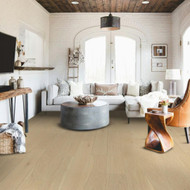
Flooring Color Tips: Light vs Dark Floors and How They Change a Room
2nd Sep 2026
Flooring color changes more than the floor. It changes how the whole room feels.
Light floors can make a space feel brighter, more open, and more casual. Dark floors can make a room feel richer, warmer, and more dramatic. Medium floors can feel practical, timeless, and easier to decorate around. None of these choices are automatically better. The right floor color depends on the room’s size, natural light, wall color, furniture, lifestyle, and the mood you want to create.
Because flooring covers such a large surface, it becomes one of the strongest design decisions in the home. It affects your sofa fabric, rug color, wood furniture, wall paint, cabinets, and even how clean the room feels day to day.
Here is how light and dark floors change a room, and how to choose the right direction for your home.
Start with the room, not the sample
Flooring samples are helpful, but they can be misleading if you look at them by themselves. A floor color that looks beautiful in a showroom may feel very different once it is installed across an entire room.
Before choosing light or dark flooring, look at:
-
Room size
-
Natural light
-
Ceiling height
-
Wall color
-
Cabinet color
-
Trim color
-
Existing furniture
-
Rugs
-
Window treatments
-
Lifestyle and maintenance needs
-
Whether the flooring will run through multiple rooms
The floor is not an isolated choice. It needs to work with the whole home.
Light floors make a room feel more open
Light floors usually make a room feel brighter and more spacious. They reflect more light and visually open up the floor plane, which can make small rooms, narrow rooms, and open concept spaces feel larger.
Light flooring works especially well in:
-
Small living rooms
-
Bedrooms
-
Hallways
-
Open concept spaces
-
Rooms with limited natural light
-
Casual family rooms
-
Coastal or relaxed interiors
-
Modern or Scandinavian-inspired spaces
-
Homes where you want a softer, airier feel
Light floors do not have to mean white or pale gray. They can include natural oak, light maple, soft beige carpet, pale luxury vinyl plank, light hickory, warm cream tones, and natural wood looks.
The key is choosing a light floor that still has enough warmth and texture so the room does not feel washed out.
Dark floors add richness and depth
Dark floors create a more grounded look. They can make a room feel polished, dramatic, classic, or formal depending on the finish and surrounding furniture.
Dark flooring works especially well in:
-
Larger rooms
-
Dining rooms
-
Offices
-
Formal living rooms
-
Rooms with good natural light
-
Spaces with lighter walls
-
Traditional or transitional homes
-
Rooms where you want contrast
-
Spaces with light upholstery or rugs
Dark floors can make furniture and rugs stand out. A cream sofa, warm wood table, light rug, or upholstered dining chair can look especially strong against a dark floor.
The tradeoff is that dark floors usually need balance. If the room also has dark walls, dark furniture, and limited natural light, the space can feel heavy.
Medium floors are the flexible middle ground
Medium-tone flooring is often the easiest to live with and decorate around. It gives the room more warmth than very light floors, but it does not feel as dramatic or high contrast as very dark floors.
Medium floors include:
-
Natural oak
-
Medium brown hardwood
-
Mid-tone hickory
-
Warm taupe flooring
-
Brown-gray luxury vinyl plank
-
Mid-tone carpet
-
Walnut-look flooring
-
Soft chestnut tones
Medium floors work well when:
-
You want a timeless look
-
You have kids or pets
-
You want practical maintenance
-
You change furniture styles over time
-
You want warmth without heaviness
-
You want flexibility with rugs and upholstery
A good medium floor can work with cream sofas, leather chairs, darker wood tables, painted furniture, patterned rugs, and many wall colors.
Light floors change the mood of a room
Light flooring tends to make a room feel:
-
Open
-
Airy
-
Casual
-
Fresh
-
Relaxed
-
Clean
-
Modern
-
Soft
-
Bright
This can be very helpful in rooms that feel tight, dark, or visually heavy.
If a room has a large sectional, dark wood furniture, heavy window treatments, or low natural light, a lighter floor can help the space breathe.
Light floors are also a strong choice when you want the room to feel calm and easy to decorate. They create a quiet foundation that lets upholstery, rugs, wood tones, and artwork do more of the visual work.
Dark floors change the mood of a room
Dark flooring tends to make a room feel:
-
Grounded
-
Rich
-
Formal
-
Dramatic
-
Cozy
-
Classic
-
Sophisticated
-
Warm
-
Substantial
This can be beautiful in the right room.
Dark floors are especially effective when the room has:
-
Good daylight
-
Lighter walls
-
Cream or neutral upholstery
-
A lighter area rug
-
Warm lighting
-
Wood or leather furniture
-
Enough size to handle visual weight
A dark floor can make a dining room feel more elegant. It can make a study feel richer. It can make a large living room feel more anchored.
The key is to use contrast above the floor so the room does not feel too dense.
Natural light should guide the choice
Natural light has a major impact on flooring color.
Rooms with limited natural light
Light or medium floors are usually safer in rooms that do not get much daylight. They help reflect available light and keep the room from feeling closed in.
Good choices:
-
Natural oak
-
Light maple
-
Pale beige carpet
-
Light warm LVP
-
Soft greige flooring
-
Medium brown with low contrast grain
Be careful with very dark floors in dim rooms unless you are intentionally creating a moody space.
Rooms with strong natural light
Rooms with lots of daylight can handle more flooring options. Light floors will feel bright and open. Dark floors can look rich and dramatic. Medium floors will feel balanced and practical.
If a room gets intense sunlight, also consider fading, glare, and how much dust or pet hair will show on the surface.
Wall color changes how the floor reads
Flooring and wall color should work together.
Light floors with light walls
This creates a soft, open look.
Best when:
-
You want the room to feel larger
-
You like calm interiors
-
The furniture adds enough contrast
-
The room has texture through rugs, wood, leather, or fabric
Watch out for:
-
The room can feel flat if everything is pale.
Light floors with dark walls
This creates contrast and can feel modern, cozy, or dramatic.
Best when:
-
The room has good light
-
You want the walls to be the feature
-
The floor keeps the room from feeling too heavy
Watch out for:
-
The wall color needs enough warmth or depth to feel intentional.
Dark floors with light walls
This is a classic high-contrast combination.
Best when:
-
You want a grounded room
-
You like a polished look
-
The room has lighter upholstery or rugs
-
You want the floor to add depth
Watch out for:
-
Too much contrast can feel stark if there is not enough texture.
Dark floors with dark walls
This can be beautiful, but it needs planning.
Best when:
-
The room is large enough
-
You want a moody or formal feel
-
There is good lighting
-
Furniture and rugs add contrast
Watch out for:
-
The room can feel smaller or heavier if everything is dark.
Undertones matter as much as light or dark
A floor is not just light or dark. It also has an undertone.
Warm undertones
Warm floors may lean:
-
Gold
-
Honey
-
Amber
-
Red
-
Orange
-
Brown
-
Caramel
These floors often feel inviting and traditional. They work well with cream, oatmeal, camel, olive, warm gray, taupe, brown leather, and warm wood furniture.
Cool undertones
Cool floors may lean:
-
Gray
-
Ash
-
Blue-gray
-
Green-gray
-
Charcoal
-
Silver
These floors often feel cleaner and more modern. They work well with greige, stone, charcoal, soft white, slate, cool taupe, black accents, and cooler upholstery colors.
Balanced undertones
Balanced floors sit between warm and cool.
These are often the most flexible because they can work with both warm and cool furniture finishes.
Good examples:
-
Natural white oak
-
Light brown oak
-
Greige flooring
-
Soft taupe flooring
-
Brown-gray flooring
-
Neutral walnut tones
Before choosing furniture, rugs, or paint, identify whether the floor leans warm, cool, or balanced.
Light floors and furniture choices
Light floors give you room to add depth through furniture.
Good furniture pairings with light floors:
-
Medium wood coffee tables
-
Walnut dining tables
-
Brown leather chairs
-
Charcoal accent chairs
-
Warm taupe sofas
-
Oatmeal sectionals
-
Black metal lamps
-
Painted media consoles
-
Patterned rugs
If the furniture is also very light, add contrast through texture, wood, leather, metal, or a deeper rug.
A room with light floors, white walls, cream sofa, pale rug, and light wood tables can feel washed out unless the textures are strong.
Dark floors and furniture choices
Dark floors need contrast above them.
Good furniture pairings with dark floors:
-
Cream sofas
-
Oatmeal sectionals
-
Light or medium wood tables
-
Upholstered dining chairs
-
Light rugs
-
Brass or bronze lighting
-
Soft white drapery
-
Warm gray chairs
-
Glass or open-frame tables
Avoid using too many heavy dark pieces on a dark floor. A dark floor, dark sofa, dark rug, dark tables, and dark cabinets can make the room feel dense.
Let the floor be the grounding element, then build lighter layers above it.
Medium floors and furniture choices
Medium floors are flexible, but they still need contrast.
Good furniture pairings with medium floors:
-
Cream upholstery
-
Dark walnut tables
-
Painted case pieces
-
Leather chairs
-
Light rugs
-
Black accents
-
Warm gray fabrics
-
Olive or blue accent chairs
-
Textured neutral rugs
The main risk with medium floors is choosing wood furniture that is almost the same color. If the furniture blends into the floor, the room can feel flat.
Use a rug, upholstery, painted finish, or clearly contrasting wood tone to separate the pieces.
Light floors in small rooms
Light floors are often a strong choice for small rooms because they help the space feel brighter and more open.
Good small-room combinations:
-
Light oak floor with warm white walls
-
Light LVP with textured neutral sofa
-
Pale carpet with painted furniture
-
Natural wood floor with a round coffee table
-
Light floor with medium wood accents
To keep a small room from feeling plain, add:
-
Textured upholstery
-
A rug with subtle pattern
-
Wood grain
-
Leather accent
-
Woven shades
-
Black or bronze details
-
Layered lighting
A light floor gives the room breathing room. Texture makes it feel finished.
Dark floors in small rooms
Dark floors can work in small rooms, but they need a clear plan.
They work best when:
-
The walls are lighter
-
The rug is lighter
-
Furniture has exposed legs
-
Upholstery is not too dark
-
Lighting is layered
-
The room has enough natural light
-
The floor finish is not overly glossy
A dark floor can make a small room feel cozy and rich. It can also make it feel tight if the rest of the room is heavy.
If you love dark floors in a small space, balance them with lighter furniture, soft rugs, and simple window treatments.
Light floors in large rooms
Light floors can make large rooms feel open and relaxed. In open concept spaces, they can help the living, dining, and kitchen areas feel connected.
The challenge is that large rooms with light floors can sometimes feel too open or under-furnished.
Add grounding elements:
-
Larger area rugs
-
Darker coffee table
-
Leather chairs
-
Medium wood dining table
-
Black or bronze lighting
-
Warm window treatments
-
Deeper accent pillows
-
Larger-scale furniture
A large room with light floors needs enough visual weight so it does not feel empty.
Dark floors in large rooms
Dark floors are very effective in large rooms because they help anchor the space.
They work especially well with:
-
High ceilings
-
Large rugs
-
Cream upholstery
-
Wood furniture
-
Leather seating
-
Dramatic dining rooms
-
Formal living rooms
-
Offices
-
Open spaces with good light
A dark floor can make a large room feel more intimate. It gives the furniture a strong base and makes lighter rugs and upholstery stand out.
In open concept spaces, dark floors can feel beautiful, but they usually need consistent lighting and enough lighter surfaces to keep the home from feeling too heavy overall.
Flooring color and open concept spaces
In open concept homes, flooring color has an even larger impact because the same floor may run through the kitchen, dining, living room, hallway, and entry.
Light floors in open concept spaces:
-
Make the home feel more continuous
-
Reflect more light
-
Work well with casual and modern styles
-
Can make the whole space feel larger
-
Need rugs and furniture to define zones
Dark floors in open concept spaces:
-
Add richness and structure
-
Can feel formal and grounded
-
Make light rugs and furniture pop
-
Need good lighting throughout
-
Can show dust and pet hair more visibly across large areas
Medium floors in open concept spaces:
-
Offer a practical middle ground
-
Work with many cabinet and furniture finishes
-
Feel warm without being too heavy
-
Are easier to coordinate long term
For open concept homes, think beyond one room. The floor color needs to work with cabinets, island color, dining furniture, living room upholstery, rugs, and natural light across the entire space.
Flooring color and lifestyle
Floor color is not just a style choice. It is a maintenance choice.
Light floors
Light floors often hide dust, crumbs, fine scratches, and light pet hair better than dark floors. They can be practical for busy households, especially when the floor has texture, grain, or color variation.
Consider light floors if:
-
You have pets
-
You have kids
-
You want lower visual maintenance
-
You like a casual look
-
The room has limited natural light
-
You want the home to feel larger
Dark floors
Dark floors can show dust, lint, light pet hair, and fine scratches more easily, especially if the finish is smooth and glossy. They can still be a great choice, but they often require more frequent cleaning to look their best.
Consider dark floors if:
-
You want richness and drama
-
You have strong natural light
-
You like contrast
-
You are comfortable with more visible dust
-
You want a formal or polished look
-
The room is large enough to handle visual weight
Medium floors
Medium floors are often the easiest compromise. They usually hide more than very dark floors and feel warmer than very pale floors.
Consider medium floors if:
-
You want practicality
-
You want a timeless look
-
You have kids or pets
-
You like warm interiors
-
You want flexibility with changing furniture
Flooring color and pets
Pets should be part of the flooring color decision.
Think about:
-
Pet hair color
-
Nail marks
-
Dirt from outside
-
Shedding
-
How often the floor is cleaned
-
Whether the floor has grain or variation
A floor that closely matches pet hair will usually look cleaner between cleanings. A floor with texture, grain, or variation will usually hide daily debris better than a flat, solid-looking floor.
Very dark floors with light pet hair can be high maintenance. Very light floors with dark pet hair can also show more than expected. Medium floors with some variation are often more forgiving.
Flooring color and rugs
Rugs can change how light or dark floors feel.
On light floors
Rugs can add:
-
Warmth
-
Contrast
-
Zone definition
-
Pattern
-
Depth
-
Furniture anchoring
A light floor with a light rug can feel calm, but it may need darker furniture or accents. A light floor with a medium or patterned rug often feels more finished.
On dark floors
Rugs can add:
-
Brightness
-
Softness
-
Contrast
-
Separation between dark floor and furniture
-
Visual relief
A lighter rug on a dark floor can make the whole room feel less heavy.
On medium floors
Rugs can help separate wood furniture from the floor and prevent everything from blending together.
A rug is often the bridge between the flooring, upholstery, and wood furniture.
Flooring color and cabinets
If the flooring runs into a kitchen or dining area, cabinet color matters.
Light floors with white cabinets
This creates a bright, open look. Add warmth through wood furniture, rugs, leather, woven shades, or brass lighting so it does not feel sterile.
Light floors with wood cabinets
This can feel natural and warm. Make sure the floor and cabinet undertones do not almost match in a way that looks accidental.
Dark floors with white cabinets
This creates strong contrast and can look classic or dramatic. Use rugs, hardware, and lighting to connect the darker floor to the rest of the space.
Dark floors with dark cabinets
This can feel rich, but it needs a lot of light and contrast. Use lighter countertops, walls, rugs, and seating.
Medium floors with cabinets
Medium floors are often the most flexible, but they still need a clear relationship to the cabinet tone. Avoid a near match unless the undertones are truly aligned.
Flooring color and style direction
Traditional
Traditional rooms often work well with:
-
Medium brown floors
-
Dark brown floors
-
Warm wood tones
-
Classic rugs
-
Leather
-
Cream upholstery
-
Brass or bronze lighting
Transitional
Transitional rooms can work with almost any floor color if the undertones are controlled.
Good choices:
-
Natural oak
-
Walnut
-
Warm brown
-
Greige
-
Medium wood tones
-
Balanced light floors
Modern
Modern rooms often work well with:
-
Light wood floors
-
Very dark floors
-
Low-variation finishes
-
Clean gray-brown tones
-
Matte or low-sheen surfaces
Farmhouse or relaxed
Relaxed rooms often work well with:
-
Natural wood tones
-
Light oak
-
Hickory
-
Warm medium browns
-
Textured LVP
-
Soft neutral carpet
Mid-century
Mid-century rooms often work well with:
-
Walnut tones
-
Medium wood floors
-
Light natural wood
-
Warm brown floors
-
Low-sheen finishes
The floor should support the style direction without making the room feel overly themed.
Finish and sheen change the look
Color is only part of the decision. Finish matters too.
Matte or low-sheen floors
These feel more natural and relaxed. They can also make everyday dust and small marks less obvious than glossy floors.
Good for:
-
Family rooms
-
Casual spaces
-
Modern homes
-
Farmhouse or relaxed interiors
-
Busy households
Satin floors
Satin is a flexible middle ground. It has enough polish to feel finished without feeling too shiny.
Good for:
-
Traditional rooms
-
Transitional homes
-
Dining rooms
-
Living rooms
-
Bedrooms
Glossy floors
Glossy floors reflect more light, but they can also show dust, scratches, and footprints more clearly.
Good for:
-
Formal spaces
-
Carefully maintained rooms
-
Traditional interiors
Be careful with high-gloss dark floors in busy households. They can be beautiful, but they are less forgiving.
Plank variation matters
A floor with more color variation can hide daily wear better and add character. A floor with less variation feels cleaner and more uniform.
High-variation floors
Good for:
-
Busy households
-
Pets
-
Rustic or casual spaces
-
Hiding dust and small marks
-
Adding natural character
Watch out for:
-
They can compete with busy rugs or strong furniture patterns.
Low-variation floors
Good for:
-
Modern rooms
-
Formal spaces
-
Calm interiors
-
Minimal designs
-
Clean visual flow
Watch out for:
-
They may show dirt or scratches more clearly depending on color and sheen.
Choose the level of variation based on both style and lifestyle.
Room-by-room flooring color ideas
Living room
Light floors:
-
Make the room feel open and casual
-
Work well with textured upholstery and medium wood tables
Dark floors:
-
Add richness and contrast
-
Work well with cream sofas and lighter rugs
Medium floors:
-
Offer flexibility
-
Work well with leather, fabric, and painted furniture
Dining room
Light floors:
-
Keep the room airy
-
Pair well with darker dining tables
Dark floors:
-
Create a formal, grounded look
-
Pair well with upholstered chairs and light rugs
Medium floors:
-
Feel classic and practical
-
Work with many wood furniture finishes
Bedroom
Light floors:
-
Feel calm, clean, and restful
-
Work well with soft bedding and upholstered beds
Dark floors:
-
Feel rich and cozy
-
Need lighter rugs and bedding
Medium floors:
-
Feel warm and timeless
-
Work with wood or upholstered bedroom furniture
Kitchen
Light floors:
-
Make the kitchen feel brighter
-
Work well with wood or painted cabinets
Dark floors:
-
Add contrast
-
Need enough light and careful cleaning
Medium floors:
-
Hide more daily wear
-
Work well for busy kitchens
Hallways and entries
Light floors:
-
Brighten narrow spaces
-
May hide dust better depending on tone and texture
Dark floors:
-
Add drama
-
May show debris more quickly
Medium floors:
-
Often the most practical choice for traffic-heavy areas
When to choose light floors
Choose light floors if:
-
You want the room to feel larger
-
The room has limited natural light
-
You like casual or airy interiors
-
You want a flexible backdrop
-
You have pets or kids
-
You prefer lower visual maintenance
-
You want furniture and rugs to add contrast
-
You are using darker cabinetry or furniture
Light floors are especially helpful when the home needs brightness and openness.
When to choose dark floors
Choose dark floors if:
-
You want a richer or more dramatic look
-
The room has good natural light
-
You like contrast
-
You want a more formal feeling
-
You have lighter walls and furniture
-
You are willing to clean more often
-
The room is large enough to handle visual weight
-
You want the floor to feel like a design statement
Dark floors are strongest when the rest of the room gives them balance.
When to choose medium floors
Choose medium floors if:
-
You want the most flexible option
-
You want warmth without heaviness
-
You have kids or pets
-
You want a timeless look
-
You change furniture over time
-
You want the floor to work across several rooms
-
You prefer a practical maintenance level
-
You want a good bridge between light walls and darker furniture
Medium floors are often the safest long-term choice because they work with many styles.
Common flooring color mistakes
Mistake 1: Choosing from one small sample
A small sample may not show the full color, grain, variation, or undertone. Look at larger samples when possible.
Mistake 2: Ignoring natural light
The same floor can look warm, cool, pale, or dark depending on the room’s light.
Mistake 3: Choosing dark floors without enough contrast
Dark floors need lighter layers above them so the room does not feel heavy.
Mistake 4: Choosing light floors with no grounding elements
Light floors need texture, wood, leather, rugs, or darker accents so the room does not feel washed out.
Mistake 5: Forgetting maintenance
Dust, pet hair, crumbs, scratches, and footprints show differently depending on color, sheen, and variation.
Mistake 6: Ignoring undertones
A gray floor, golden cabinet, and yellow beige sofa may not work well together unless something bridges the tones.
Mistake 7: Not thinking about the whole home
If the flooring runs through several rooms, choose a color that works with all connected spaces.
Simple formulas that work
Light and airy
-
Light oak floor
-
Warm white walls
-
Oatmeal sofa
-
Medium wood coffee table
-
Textured rug
-
Black or bronze lighting
Rich and classic
-
Dark wood floor
-
Cream walls
-
Light rug
-
Walnut or cherry furniture
-
Leather chair
-
Brass lamps
Practical and timeless
-
Medium brown floor
-
Greige walls
-
Cream upholstery
-
Brown leather accent
-
Patterned rug
-
Black metal details
Modern and clean
-
Light neutral floor
-
Soft white walls
-
Low-profile furniture
-
Charcoal accents
-
Simple rug
-
Matte black lighting
Warm and relaxed
-
Natural hickory or oak floor
-
Linen-look upholstery
-
Woven shades
-
Leather ottoman
-
Warm rug
-
Soft brass or bronze lighting
Flooring color checklist before you decide
Ask:
-
Is the room small, large, bright, or dim?
-
Do I want the floor to feel light and open or rich and grounded?
-
Does the floor undertone work with my walls and cabinets?
-
Will the color work with my furniture and rugs?
-
How much dust, pet hair, and wear am I willing to see?
-
Does the floor have enough variation to fit my lifestyle?
-
Is the sheen practical for daily use?
-
Will this flooring run through multiple rooms?
-
Does the color support the home’s overall style?
-
Have I looked at the sample in the actual room at different times of day?
The right flooring color should fit both the design and the way the home is lived in.
Final thoughts
Light and dark floors change a room in very different ways. Light floors make spaces feel brighter, softer, and more open. Dark floors make rooms feel richer, deeper, and more grounded. Medium floors offer a flexible balance that works well for many homes.
The best choice depends on natural light, room size, wall color, furniture, rugs, cabinets, pets, kids, and maintenance expectations.
A floor is not just a background surface. It is the foundation for the whole room. When the color, undertone, finish, and lifestyle fit, everything above it becomes easier to coordinate.