
Living Room Layout Rules: Traffic Flow, Conversation Zones, and TV Placement
18th Feb 2026
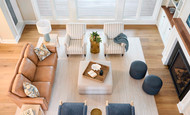
A living room that looks good but feels awkward is almost always a layout problem, not a style problem. The best layouts do three things at once:
-
They make it easy to move through the room without weaving around furniture.
-
They create a natural place for people to talk.
-
They give the TV a comfortable, no neck strain viewing setup when the TV is part of the room.
Use the rules below as your baseline. Then adjust to match how you actually live, whether that means movie nights, hosting, reading, or stretching out in a recliner.
Rule 1: Protect the traffic flow first
Before you choose where the sofa goes, decide how people will walk through the room. Think about the paths from:
-
Doorways to seating
-
Seating to the kitchen, hallway, or stairs
-
Seating to windows, fireplace, and built-ins
Spacing targets that work in real life
-
Main walkways: plan 30 to 36 inches for comfortable movement in most homes.
-
Coffee table to sofa: start with 14 to 18 inches so it is reachable but not a shin hazard.
If you only remember one thing: don’t let the “hallway through the living room” cut through the middle of your seating area. If the room has a pass-through path, keep it along the edge of the conversation zone whenever possible.
Quick traffic-flow fixes
-
Float the sofa a bit instead of pinning everything to walls. This often creates a cleaner walkway behind or beside seating.
-
Use a smaller or round coffee table when space is tight. Rounds and ovals reduce bump points in narrow paths.
-
Add a slim console table behind a floating sofa to make the placement feel intentional and add a drop zone for drinks or lamps.
Rule 2: Build a conversation zone people actually use
A conversation zone is simply seating arranged so people can talk without shouting or twisting. It should feel natural to sit down and face someone.
Conversation distance guideline
Try to keep seating within about 8 to 9 feet of each other so conversation stays easy.
The easiest formula
-
Sofa plus two chairs (or a sofa plus loveseat) aimed inward, not lined up like a waiting room.
-
A table within reach of every seat, even if it is a small drink table.
Anchoring with a rug (the shortcut to “finished”)
If your layout feels like furniture floating in space, the rug is usually the issue. A reliable rule: make the rug large enough that at least the front legs of the sofa and chairs sit on it. This visually ties the group together and defines the zone.
When you have an open concept space
Open concept rooms need stronger “invisible borders.” Use:
-
A rug to define the living area
-
Lighting (a floor lamp near chairs, a table lamp on a console)
-
A sofa back or sectional back as the line between spaces
Rule 3: Choose the focal point, then aim seating toward it
Most living rooms have competing focal points: TV, fireplace, a big window, or a built-in. Decide what gets priority based on how you live.
-
If you watch TV daily, the TV usually becomes the primary focal point.
-
If the fireplace is used often and the TV is secondary, the fireplace can lead and the TV can be placed off to the side.
A good compromise is a main seating position that has a comfortable view of both, with chairs that can swivel or angle toward whichever is being used.
Rule 4: TV placement is about height, distance, and glare
TV height
A consistent ergonomic guideline: the center of the screen should be at seated eye level, often around 42 inches from the floor for many adults, then adjusted for your seating height.
If your sofa has a tall seat or you love a deep, sink-in style, measure your eye level while seated and set the screen center to match.
TV viewing distance
Two practical ways to size distance:
-
Rule of thumb: sit about 1.5 times the TV’s diagonal size away.
-
More specific option: RTINGS suggests a viewing setup that roughly matches a 30 degree field of view, and they note you can estimate sizing by dividing viewing distance (in inches) by 1.6.
Either method gets you into a comfortable range without feeling like you are squinting or sitting in the front row.
Avoid common TV placement mistakes
-
Too high above a fireplace: this is the classic neck strain setup. If it must go there, use a mount that tilts down and keep the center height as reasonable as the room allows.
-
Glare from windows: if the screen faces a bright window, you will fight reflections all day. Shift the TV wall, add lined drapery, or use shades to control light.
Rule 5: Pick the right layout pattern for your room shape
1) Small room (or narrow room)
Goal: keep the walkway clean and furniture scaled correctly.
-
Use an apartment-scale sofa or a tighter depth sofa
-
Choose a round or oval coffee table
-
Use chairs that are visually lighter (open arms, slimmer frame)
2) Classic rectangle room
Goal: create a centered conversation zone.
-
Sofa facing TV or fireplace
-
Two chairs opposite or angled
-
Rug anchoring the group
-
Clear path along one long side
3) Large room
Goal: avoid “everything pushed to the edges.”
-
Float the seating area on a rug
-
Add a second zone: reading chair and lamp, game table, or a small writing desk
-
Consider a sectional only if it fits without blocking circulation
Rule 6: Sectionals and recliners need a little extra planning
If your living room includes reclining seats (manual or power), plan for:
-
Wall clearance behind the piece if required by the mechanism
-
A side table on the “outside arm” of each seat if people will set down drinks
-
Sightlines to the TV so reclined positions still work
A sectional can be excellent for conversation, but only if it does not turn the room into an obstacle course. If the sectional blocks the natural path through the room, switch to a sofa and chairs, or use a smaller sectional with a more open footprint.
A simple living room layout checklist
-
Main walkway is 30 to 36 inches
-
Coffee table is 14 to 18 inches from the sofa
-
Seating is within about 8 to 9 feet for conversation
-
TV center is near seated eye level, often around 42 inches
-
TV distance follows 1.5x screen size or the 1.6 viewing-distance estimate
-
Rug anchors the seating group (front legs on the rug is a dependable start)